Election in the Netherlands Right-wing populist Wilders and left-wing liberal Jetten in a tie
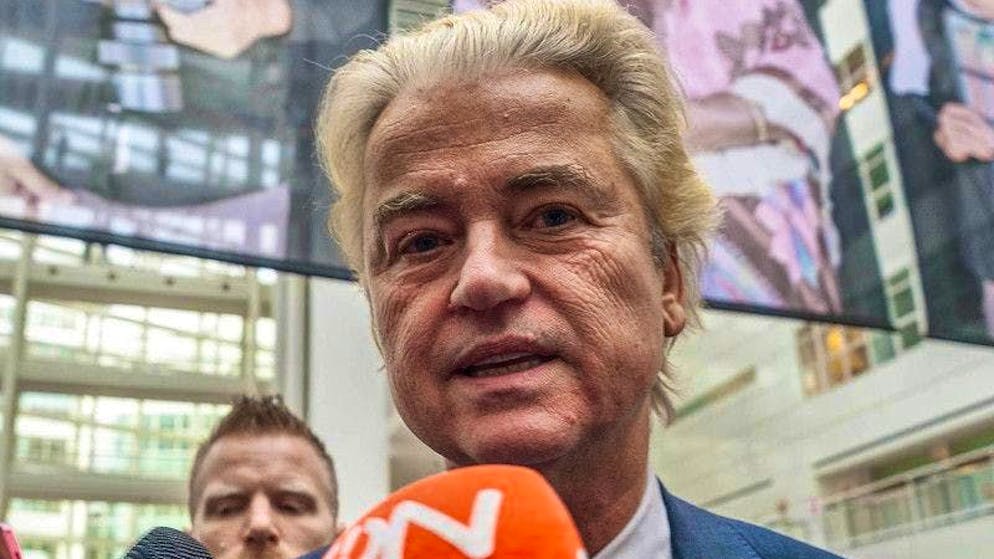
The left-liberals have lost their lead over Geert Wilders' right-wing party in the latest projections. Nevertheless, they are already considered the winners.

30.10.2025, 05:44
30.10.2025, 06:29
dpa
No time? blue News summarizes for you
- According to an initial election forecast, the right-wing populist Geert Wilders will suffer losses in the Netherlands.
- The first forecast sees the left-liberal Democrats 66 as the winner instead, as reported by Dutch television after the polls closed.
- However, both parties are very close to each other, meaning that the result could still change.
The party of radical right-wing populist Geert Wilders and the left-liberal D66 are running neck-and-neck in the Dutch parliamentary elections. According to the latest projection published early this morning, which is based on the counting of around 90 percent of the votes, Wilders' party has caught up and is now tied with D66. Both parties could therefore each win 26 of the 150 seats in parliament. The provisional final result is expected later today.
The projection of the election service of the Dutch news agency ANP deviates slightly from the first projection and the earlier forecasts. These had seen lead candidate Rob Jetten's D66 two seats ahead of Wilders.
Wilders has lost significantly compared to 2023
For Wilders, the result is nevertheless a significant loss compared to the parliamentary elections two years ago: Back then, his Party for Freedom had recorded 37 seats.
The left-liberal D66, on the other hand, is already seen as the big winner of the election with an increase of 17 seats compared to the 2023 parliamentary elections. Its lead candidate, 38-year-old Rob Jetten, is also considered to have the best chance of forming a coalition. This is because all the major parties have ruled out working with Wilders.
Timmermans immediately draws personal consequences
On election night, Wilders was asked by reporters whether he considered it a mistake in hindsight that he had left the government after less than a year. The 62-year-old replied that he had "shown backbone" with this decision because his three coalition partners had not implemented the agreements on asylum policy.
According to the latest projections, the current right-wing liberal governing party VVD can expect 22 seats in parliament. The red-green GroenLinks-PvdA alliance will receive 20 seats. This is followed by the Christian Democrats with 18. 15 parties in total could enter parliament in The Hague - there is no five percent threshold in the Netherlands.
The lead candidate of GroenLinks-PvdA, Frans Timmermans, announced his resignation shortly after the first forecast was published. "I am taking my leave as your party leader tonight," he told supporters in Rotterdam. "I have not succeeded in convincing enough people to give us their vote." That is why he wants to hand over the party leadership to someone younger, said the 64-year-old. Timmermans came to The Hague from Brussels two years ago in the hope of becoming Prime Minister. In Brussels, he had been Vice President of the EU Commission.
Wilders broke up the coalition after just one year
The election in the Netherlands had become necessary following the premature end of the previous government in June of this year. This government of four parties was considered to be the most far-right in Dutch history. The strongest of the four coalition partners was Wilders' Party for Freedom (PVV). However, he did not become Prime Minister himself. This position was held by the independent former top civil servant Dick Schoof. After less than a year, however, Wilders and his party withdrew from the government, meaning that early elections were due.
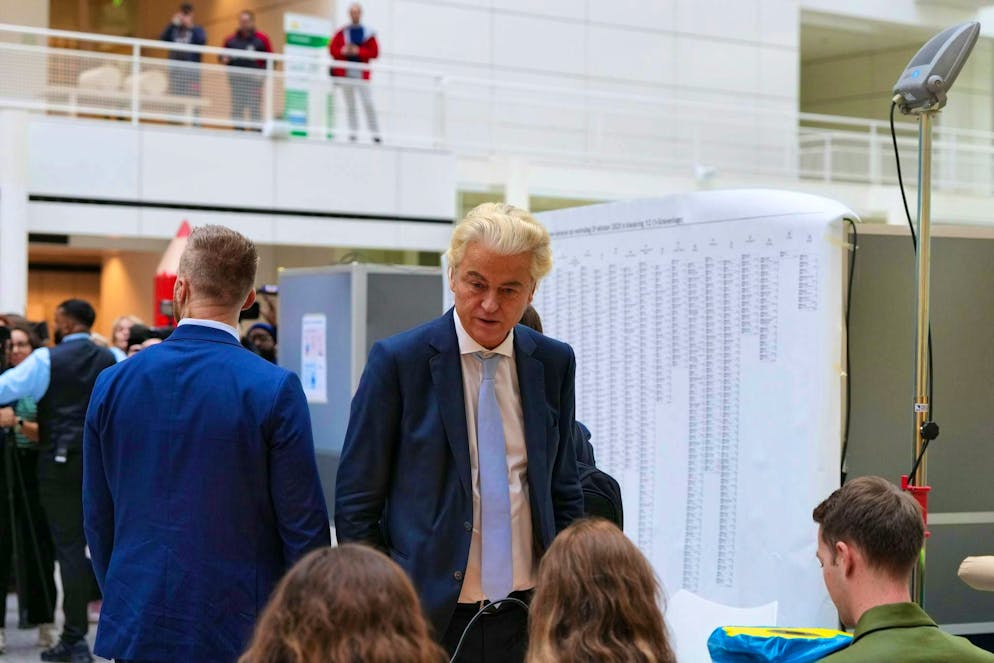
After less than a year, however, Wilders and his party withdrew from the government again. His reason for this was that the other three coalition partners did not support the implementation of a tough anti-migration policy.
This time, all the major parties are refusing to cooperate with Wilders. It therefore seems unlikely that his party will join the government again. It is still uncertain who will lead the new government instead, but in principle the leading candidate of the strongest party has the best prospects. That would be 38-year-old Rob Jetten from D66.