Europe EU migration analysis: Germany in risk group
Germany can apply not to have to take in any additional migrants from other member states until the end of 2026 under the new EU solidarity mechanism. According to the German press agency Deutsche Presse-Agentur, this is the result of an analysis by EU Commissioner for Home Affairs Magnus Brunner on the so-called solidarity pool, which is intended to relieve states with high migration pressure as part of the EU asylum reform. According to the analysis, Germany can claim that it is already taking care of a large number of asylum seekers for whom other EU states would actually be responsible.

11.11.2025, 17:54
SDA
Other solidarity contributions such as cash or benefits in kind would therefore also not be necessary from the German side. Theoretically, these could be provided by EU states that are obliged to provide support and do not wish to take in refugees.
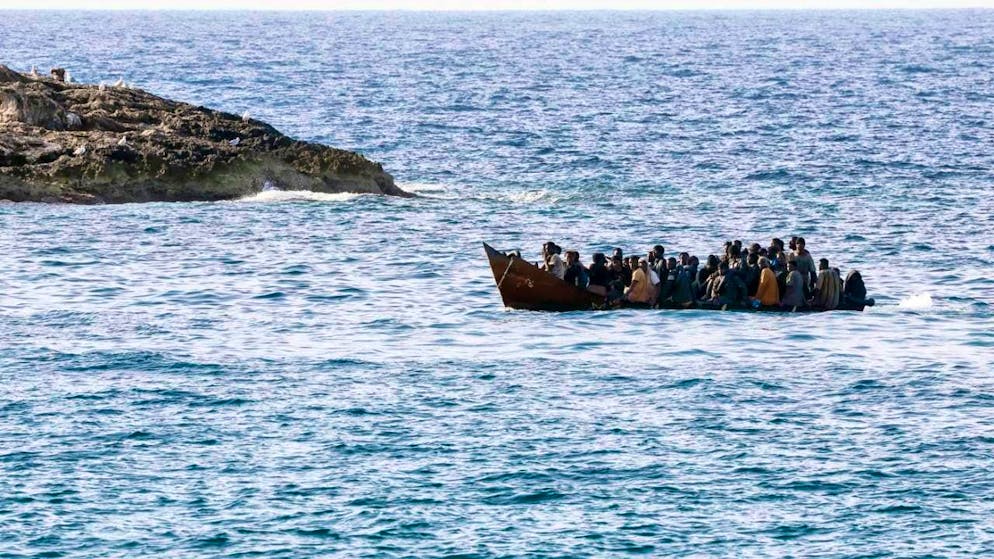
In its analysis, the Commission classifies Greece, Cyprus, Spain and Italy as countries that are entitled to solidarity from other EU states in the coming year due to high migration pressure. According to the analysis, Greece and Cyprus are under pressure due to a disproportionate number of arrivals last year, while Spain and Italy are under pressure due to numerous sea rescues.
Together with countries such as Belgium, France and the Netherlands, Germany is counted among the group of countries that could come under high migratory pressure in the coming year due to high arrival numbers or strains on reception systems. According to the Commission's assessment, Austria, Poland, Bulgaria, the Czech Republic, Estonia and Croatia are in a pronounced migration situation. This means that they can apply to be fully or partially exempted from solidarity obligations due to the cumulative burden of the past five years.
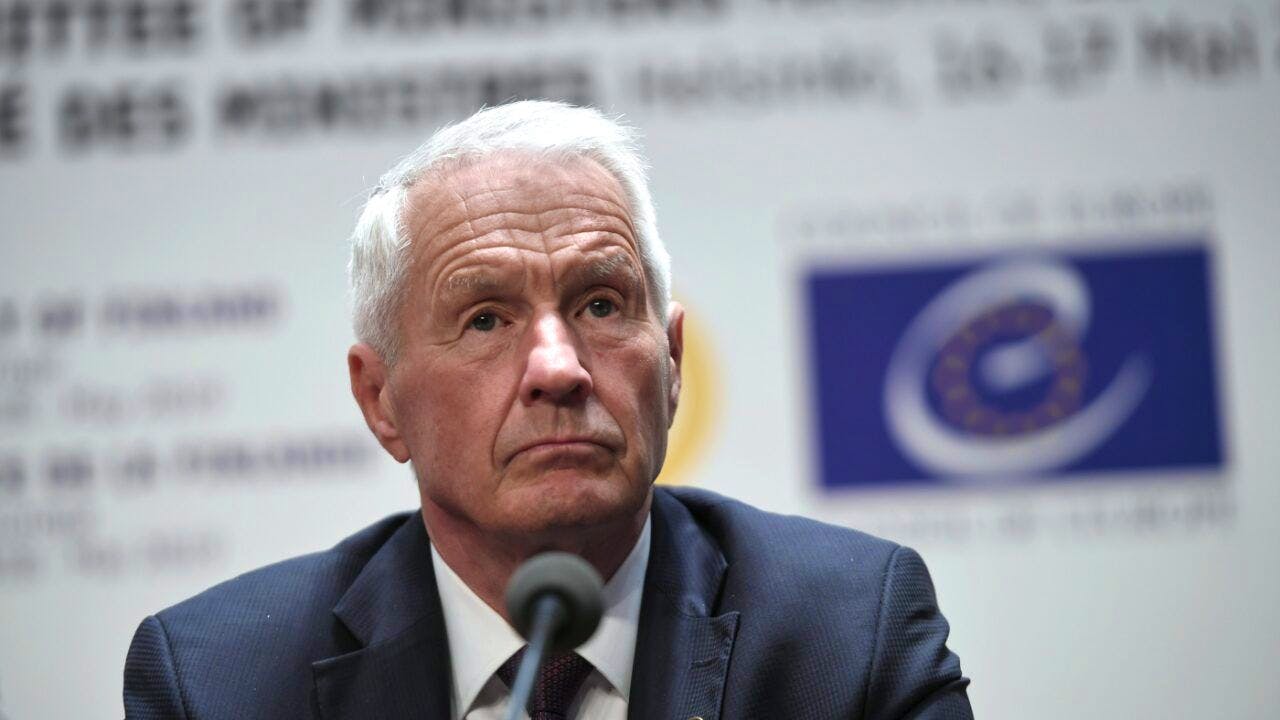
EU Commissioner for Home Affairs already sees success of new migration policy
Commenting on the results of the analysis, EU Commissioner for Home Affairs Magnus Brunner stated that it was obvious that Germany had already borne a large part of this solidarity before the new asylum pact came into force. Germany would therefore benefit considerably from the reform of the asylum and migration system - in particular through the new tasks of the member states at the external borders. These include the registration of new arrivals, the implementation of security checks and the new border procedure. The latter envisages that certain migrants could in future be placed in strictly controlled reception facilities under detention-like conditions after crossing the border.
In principle, Brunner emphasized that the stricter asylum policy is already having an effect. "Illegal migration fell by 35 percent last year," he said.
The report, which has now been presented for the first time, is considered a decisive step in the implementation of the reform of the European asylum system (CEAS), which also includes a solidarity mechanism to relieve the burden on member states particularly affected by migration. For this report, the EU Commission took into account a wide range of key figures - such as how many illegal border crossings, boat rescues or asylum applications a country registers, as well as the economic performance and population of a country.
According to the CEAS, countries under particular pressure are entitled to solidarity from other member states by either taking in migrants or making a financial contribution. However, solidarity can also be shown by EU states promoting projects against illegal migration in third countries or providing material.
The aim of the compensation: refugees should remain in the country in which they arrive and not flee on to Germany, for example. Countries such as Greece or Italy should also process asylum procedures more quickly at their external borders. In return, the EU countries where most migrants arrive should be relieved of the burden. The EU Commission's report forms the decisive basis for this solidarity mechanism.
The member states must now discuss the EU Commission's proposals for the so-called solidarity pool. They have also received detailed figures for this, which have not been made public by the EU Commission.