Medicine Gender difference in burn injuries surprises researchers
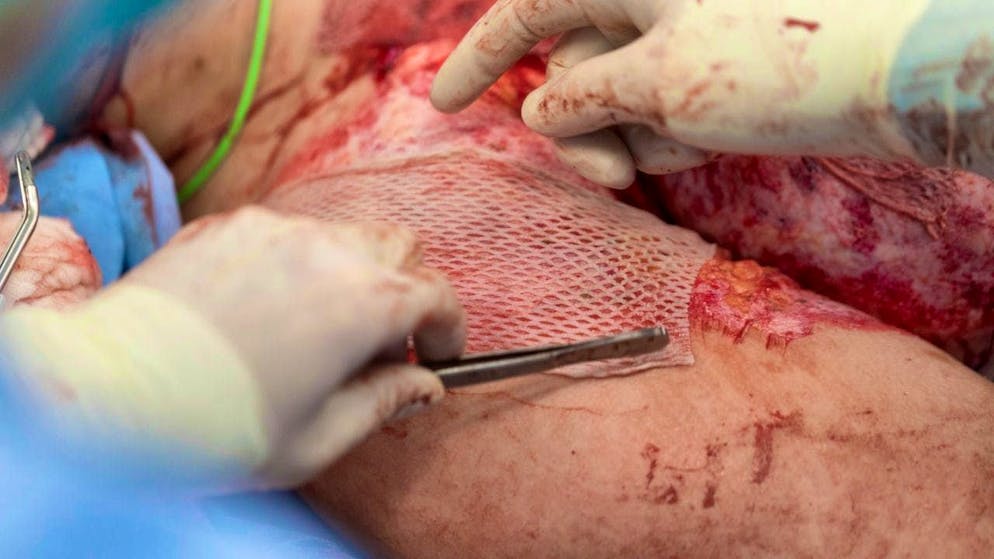
Women with severe burns suffer blood infections almost twice as often as men. This is the surprising finding of a study funded by the Swiss National Science Foundation. The researchers are now looking for the reasons.

25.02.2026, 08:01
SDA
In the case of severe burn injuries, bacteria can enter the bloodstream via the damaged skin and cause life-threatening complications. According to a press release issued by the Swiss National Science Foundation (SNSF) on Wednesday, this can trigger sepsis, which can lead to multiple organ failure.
A study funded by the SNSF has now investigated which patients are particularly at risk of developing such an infection. The analysis included 269 people who were treated at the Center for Severe Burn Injuries at the University Hospital Zurich (USZ) between 2017 and 2021.
Surprising findings
The analysis of the data showed that bacteria were detected in the blood of almost a quarter of those affected five to thirteen days after admission. Women were affected almost twice as often as men.
This result is surprising, according to Silvio Brugger, Senior Consultant at the USZ, who is quoted in the press release. Normally, bloodstream infections are less common in women than in men. The female immune system often copes better with pathogens. However, this does not appear to be the case with burn injuries. The results were published in the latest issue of the specialist journal "Burns".
Causes still unclear
The researchers are not yet able to answer why women in the group studied were more susceptible. Differences in the pathogens can be ruled out as an explanation. The same types of bacteria, which normally live harmlessly on the skin or in the oral cavity, were predominantly found in both sexes.
In a follow-up study, the collected samples will now be examined for sex hormones and the composition of the microbiome of the skin and respiratory tract.
One of the researchers' hypotheses is that the burns could alter the hormone metabolism and thus weaken the immune response. Normally, female sex hormones such as oestrogen are associated with a better immune response.