Concrete plans How the "coalition of the willing" wants to protect Ukraine
There has been speculation for months about an international protection force for Ukraine in the event of a ceasefire. Now the plans are becoming more concrete.

06.01.2026, 23:18
06.01.2026, 23:27
dpa
No time? blue News summarizes for you
- Important decisions were made at the summit of the "Coalition of the Willing" in Paris.
- Ukraine is to be given legally binding assurances that it will not be left alone in the event of another Russian attack.
- A force organized by the "Coalition of the Willing" is to serve as a deterrent and support the Ukrainian armed forces in peacetime.
- The USA is to play a key role.
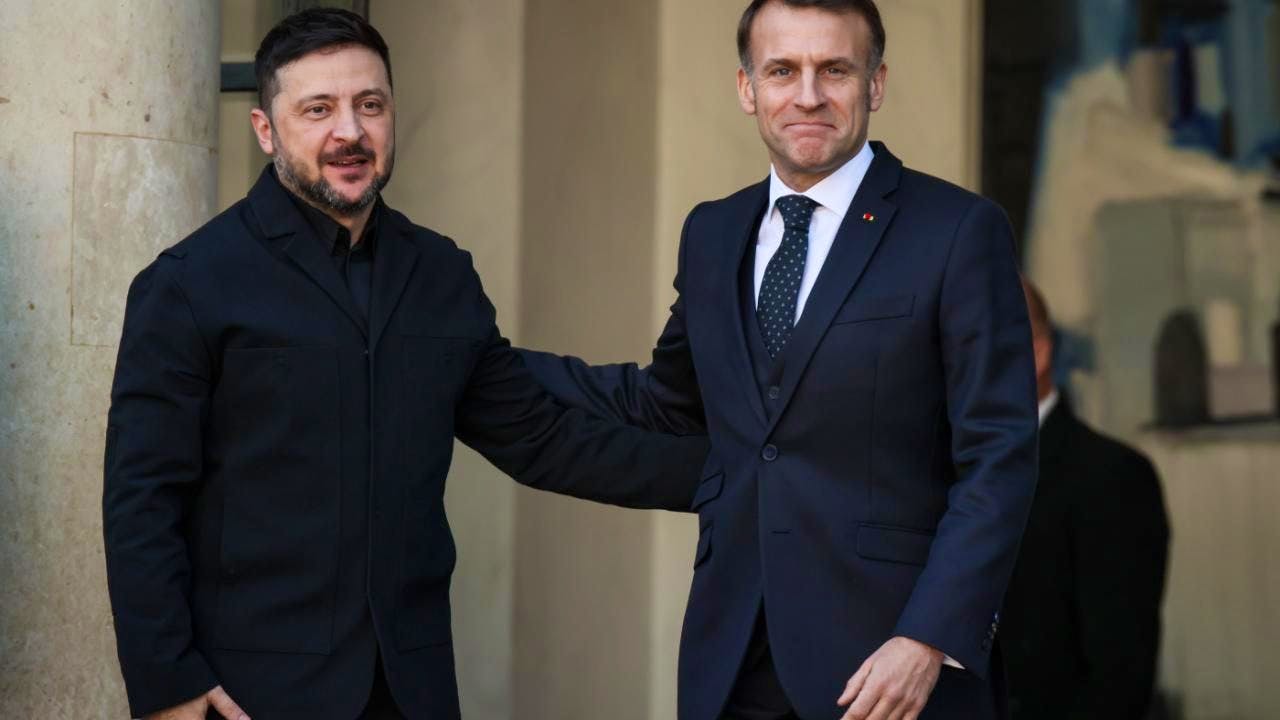
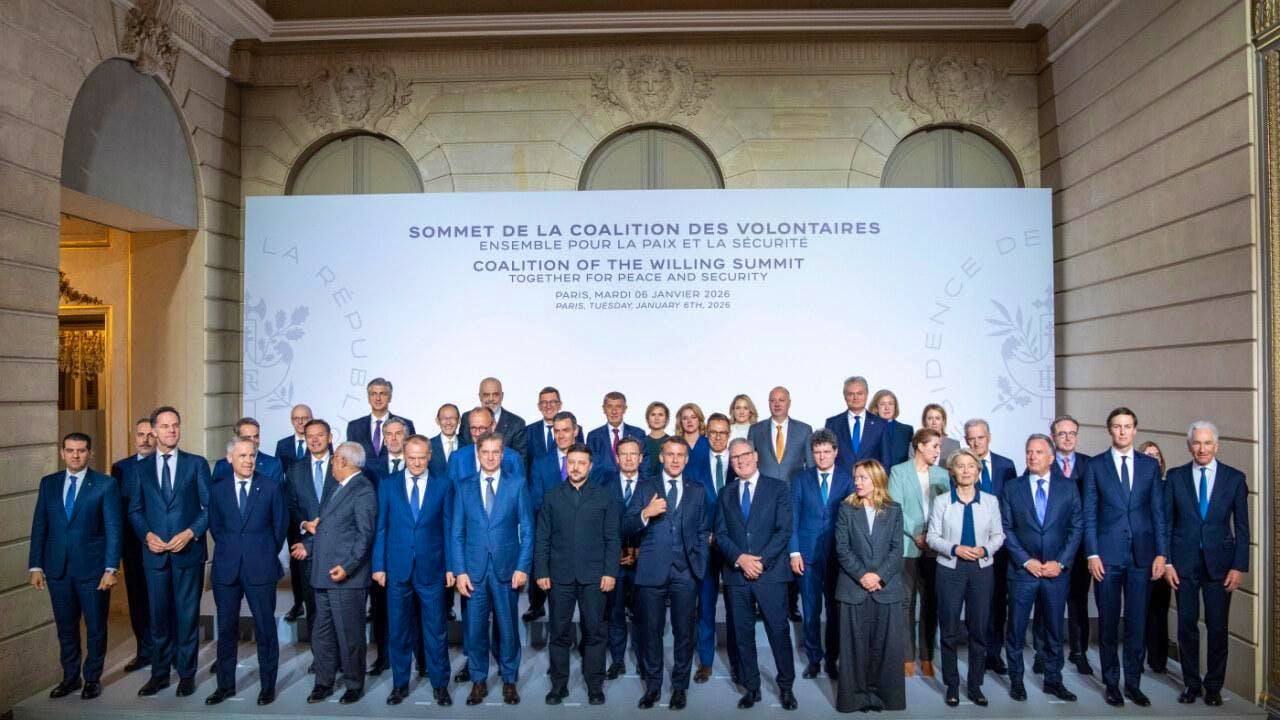
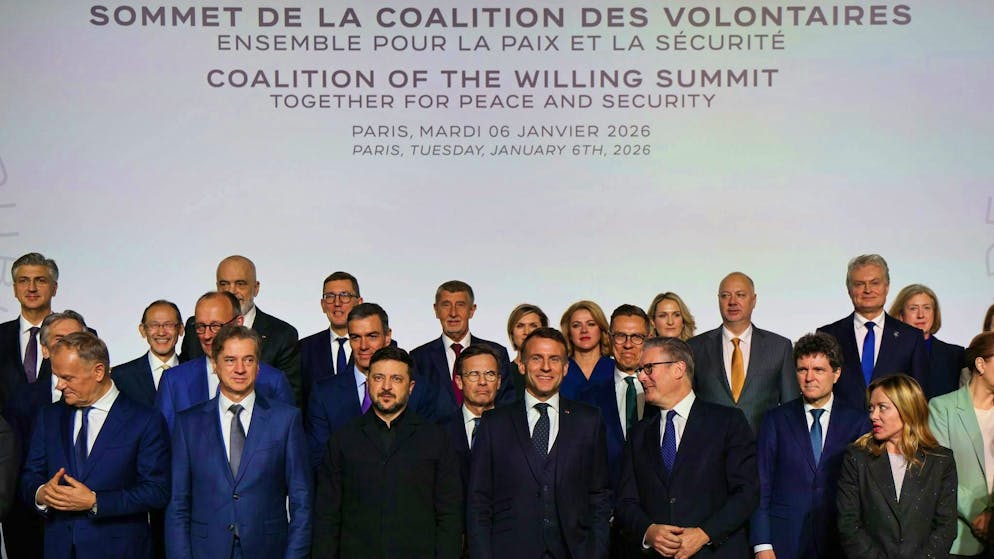
How can a renewed Russian attack on Ukraine be prevented after a ceasefire? Ukraine's allies - especially those in Europe - want to play a central role in this. At the summit of the "Coalition of the Willing" in Paris, they made important decisions in this regard.
Why is the Paris Declaration a big step forward?
First and foremost, because the issue of security guarantees is now becoming really concrete and the time for dodging and playing around should be over. The central point here is the plan to give Ukraine a legally binding assurance that it will not be left alone in the event of another Russian attack. This pledge is reminiscent of Article 5 of the NATO treaty, which stipulates that the allies will assist each other in the event of an armed attack. It is important to note that this support should explicitly include the possibility of deploying combat troops.
The Paris Declaration literally states: "We have agreed to finalize binding commitments that define our approach to support Ukraine and restore peace and security in the event of a future armed attack by Russia." These commitments could include the deployment of military capabilities, intelligence and logistical support, diplomatic initiatives and the imposition of additional sanctions.
Could Ukraine really rely on such a pledge of support?
At the very least, it would be extremely dangerous for all states involved if they were not to honor it. The reason for this is the risk that the credibility of the mutual assistance clause of the NATO treaty would be damaged in this case, as it would be clear that such oaths of allegiance cannot be relied upon. This would be disastrous for NATO because it relies primarily on the principle of security through deterrence.
Have the security guarantees already been signed and sealed?
No - and this is likely to take some time and, in countries like Germany, will also require parliamentary approval. Difficult domestic political debates are inevitable - as ultimately the question is whether large European states would be prepared to provide soldiers for a defensive war against Russia in an extreme case.
What is the planned "multinational force for Ukraine" all about?
This force, organized by the "Coalition of the Willing", is intended to serve as a deterrent and support the Ukrainian armed forces in peacetime - for example in training young soldiers or securing airspace and sea areas. In an emergency, however, a far greater military commitment is likely to be necessary. This would ultimately require the deployment of combat troops that can be mobilized extremely quickly.
What role will the USA play?
After the possible conclusion of a peace agreement, there will have to be someone to monitor compliance. The USA wants to play a key role in this. The current concept envisages guarding the approximately 1,200-kilometer-long line of contact primarily with unmanned high-tech systems. These would include drones, for example, but also ground-based systems. A large troop presence directly on the line of contact would then not be necessary. So far, there has been no mention of the formal involvement of international organizations such as the United Nations or the Organization for Security and Cooperation in Europe.
According to the Paris Declaration, a special commission is to be set up to deal with any violations of the planned peace agreement, assign responsibility and determine remedial measures.
And what about military involvement if the worst comes to the worst?
It is considered likely that the USA will then see the Europeans as having the main responsibility - just like the multinational force. However, there would probably be important intelligence support and logistical assistance.
What are the conditions for the deployment of an international protection force?
An agreement between Ukraine and Russia on a ceasefire is necessary. In addition, the Europeans insist on a legally binding security guarantee and support from the USA.
Is Russia at all interested in a ceasefire agreement?
According to reports from US negotiating circles, Russia is more open to a deal behind closed doors than in public. The reason for this could also be the continuing heavy losses on the battlefield and the negative consequences of the war for the Russian economy.
And what about Ukraine?
Ultimately, it is under even more pressure than Russia because it has to fear that the USA will completely withdraw its support if Washington feels that Ukraine is not sufficiently willing to negotiate. At the same time, President Volodymyr Zelensky is faced with the problem that a peace agreement will probably involve Ukraine ceding territory to Russia - not legally, but de facto.
Explaining this to the armed forces, who have fought for years at great sacrifice, is likely to be difficult. Moscow is demanding the evacuation of cities such as Kramatorsk or Sloviansk in the east, which form a strong defense belt for Ukraine. According to surveys, the majority of Ukrainian society is also against the evacuation of these areas.