EU pays high price Tariff dispute settled: "Greatest deal" or "fatal signal"?
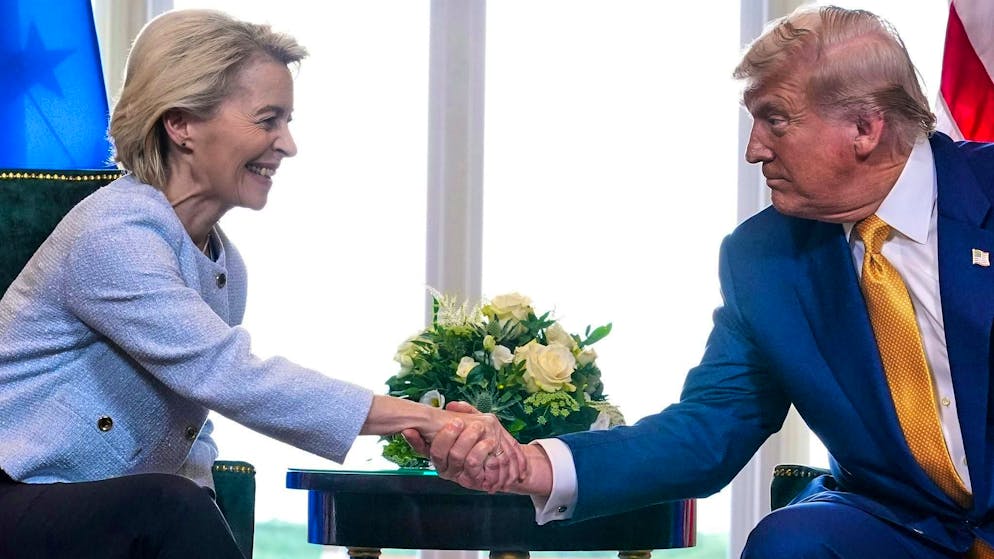
The danger of a trade war between the USA and the EU has been averted for the time being.
Image: dpa
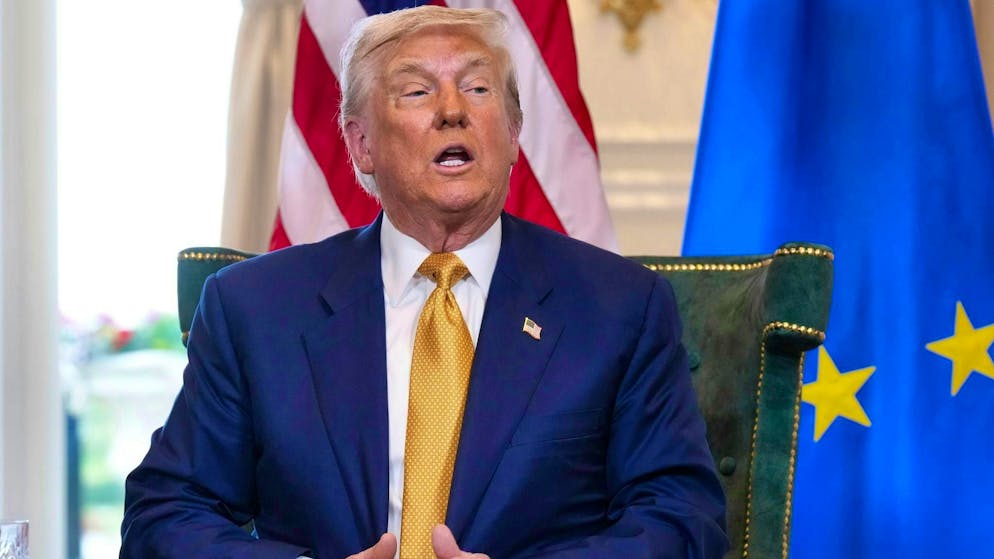
There will be a basic tariff of 15 percent on cars and most other products.
Image: dpa
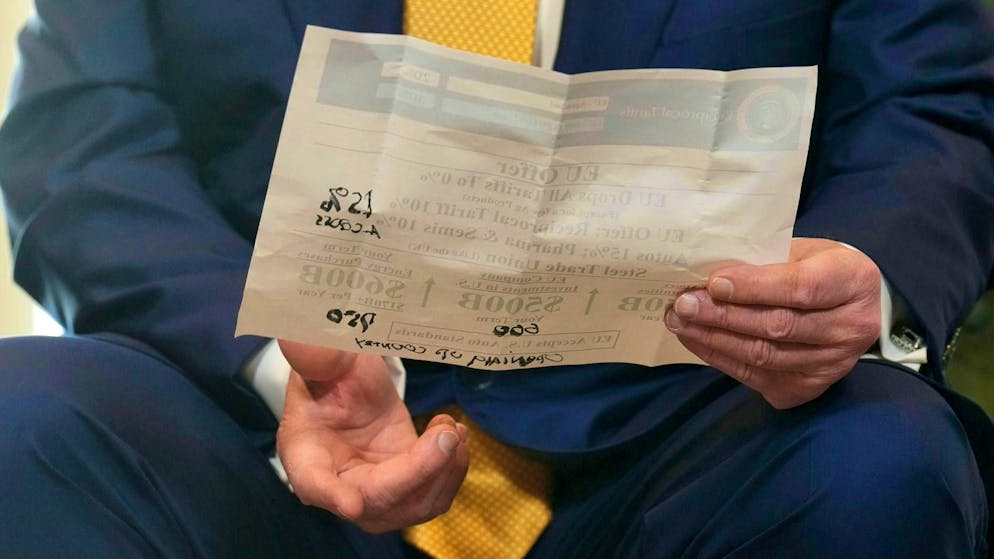
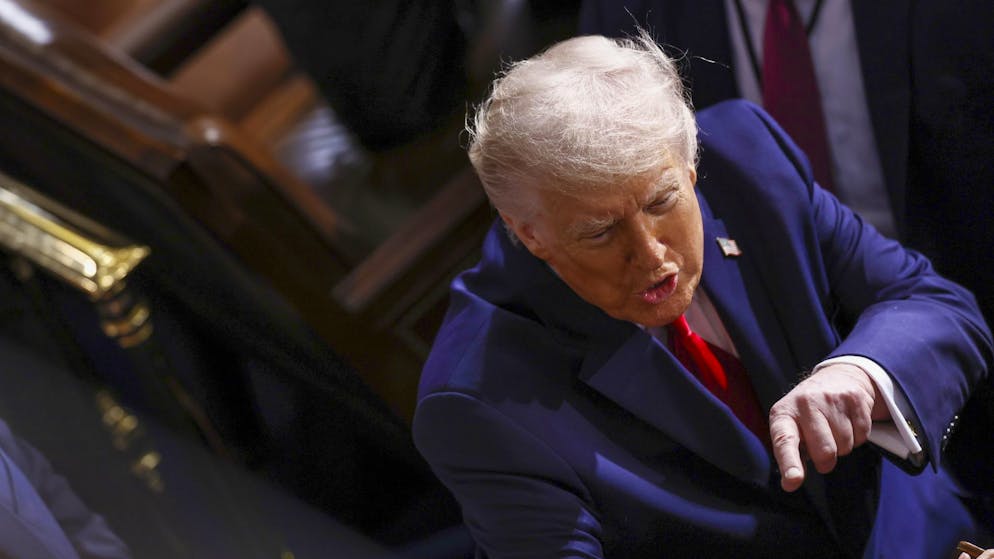
Trump gave the first details of the agreement.
Image: dpa
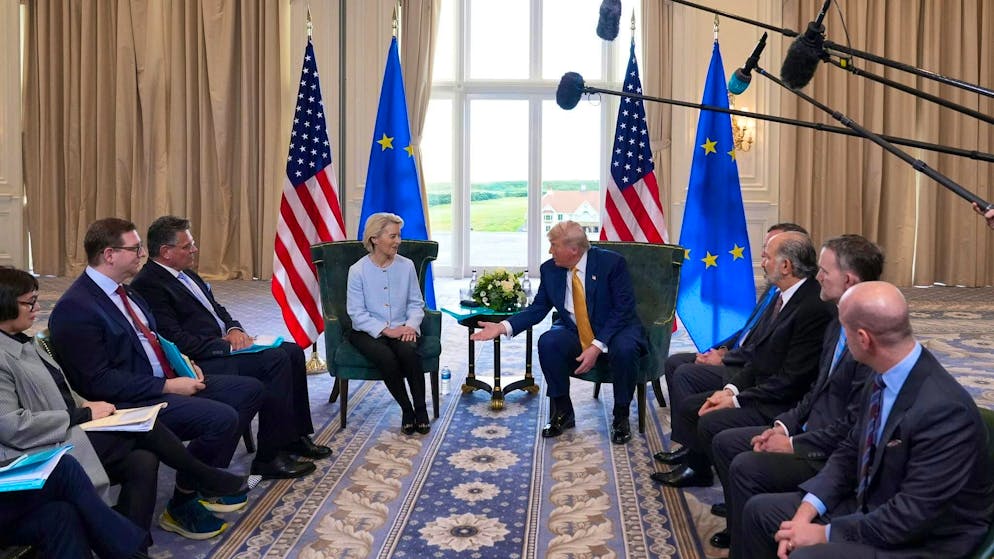
The EU and USA had been negotiating for months.
Image: dpa
The danger of a trade war between the USA and the EU has been averted for the time being.
Image: dpa
There will be a basic tariff of 15 percent on cars and most other products.
Image: dpa
Trump gave the first details of the agreement.
Image: dpa
The EU and USA had been negotiating for months.
Image: dpa
The danger of a trade war between the USA and the EU has been averted for the time being. An agreement in principle is reached at a summit meeting in Scotland - but the deal is not causing euphoria.
28.07.2025, 05:52
28.07.2025, 08:48
dpa
No time? blue News summarizes for you
- After tough negotiations, the EU and the USA have agreed on a deal to defuse the customs conflict.
- But can an agreement that US President Donald Trump is celebrating effusively be good for the economy and the people in the EU?
- Trump and EU Commission President Ursula von der Leyen had agreed on a basic tariff of 15% on most EU imports to the USA.
- According to von der Leyen, this also applies to cars, semiconductors and pharmaceutical products.
- The agreement also creates a framework for the future reduction of tariffs on other products.
- "The agreement is an inadequate compromise and sends a fatal signal to the closely intertwined economies on both sides of the Atlantic," said the Federation of German Industries (BDI).
According to US President Donald Trump, the "greatest of all deals" in the customs dispute with the European Union initially met with only cautious enthusiasm in Germany. Federal Chancellor Friedrich Merz (CDU) welcomed the agreement, which had succeeded in "averting a trade conflict". However, German industry reacted much more cautiously.
"The agreement is an inadequate compromise and sends a fatal signal to the closely intertwined economies on both sides of the Atlantic," said the Federation of German Industries (BDI) in Berlin. The EU is accepting painful tariffs.
The deal
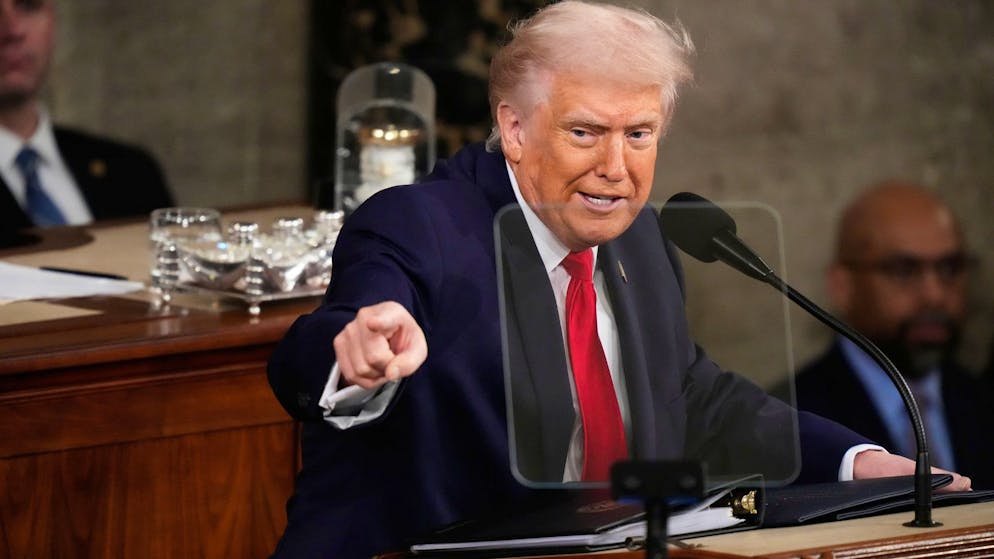
Trump and EU Commission President Ursula von der Leyen had agreed on a basic tariff of 15 percent on most EU imports to the USA. According to von der Leyen, this also applies to cars, semiconductors and pharmaceutical products. The agreement also creates a framework for the future reduction of tariffs on other products.
"The only positive thing about this agreement is that a further escalation spiral has been averted for the time being," said the BDI. It is now crucial that the agreement becomes binding. Companies on both sides of the Atlantic need planning security for supply chains and investments.
No comparison to the time before Trump
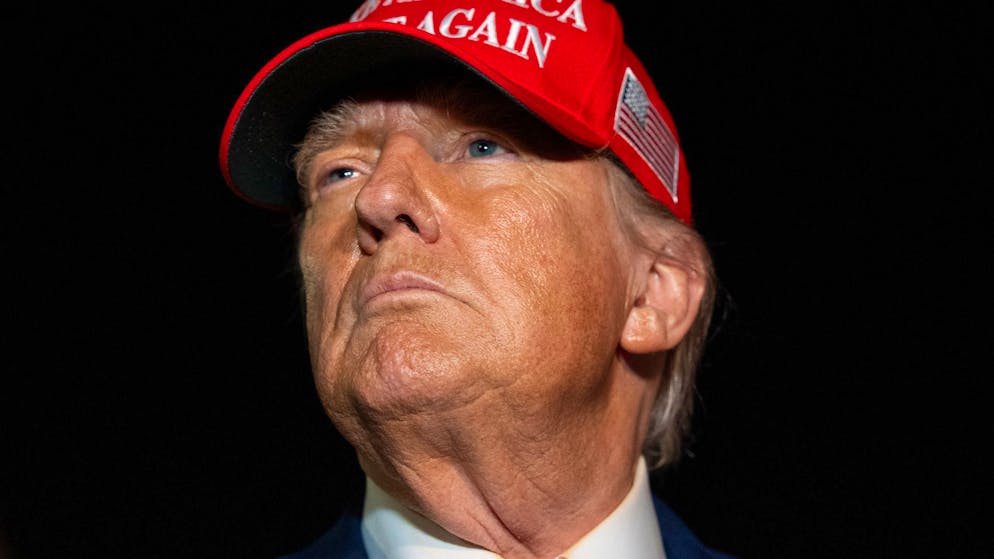
Trump, who will discuss the trade agreement between the USA and the UK with British Prime Minister Keir Starmer in Scotland today, described the agreement as a "huge deal with many countries". Among other things, the US President wants to use the tariff revenues to at least partially finance his expensive election promise of major tax cuts.
Federal Finance Minister Lars Klingbeil (SPD) said that the fact that a negotiated solution had been reached was "good for now". The result of the negotiations and the effects on the economy and jobs in Germany would now be evaluated by the Federal Government, said the Vice-Chancellor. It was important that Europe had defended its interests.
However, Klingbeil also emphasized: "My fundamental conviction remains: Tariffs harm the economy on both sides of the Atlantic. We need low tariffs and open markets. We will continue to focus on good trade relations. To this end, we will also build new global partnerships alongside the USA."
Trump started the global tariff conflict with his extra tariffs, which vary from country to country. The duties that importers have to pay are higher than before the start of Trump's second term in office, despite the deals that have been concluded. For example, additional tariffs of 25 percent were added to imports of cars, bringing the total to 27.5 percent.
According to von der Leyen, the reduction to 15 percent that has now been agreed is the best possible deal. "We should not forget where we come from," she said. 15 percent should not be underestimated, but is also the best that was possible.
EU Commission has the "full support" of the German government
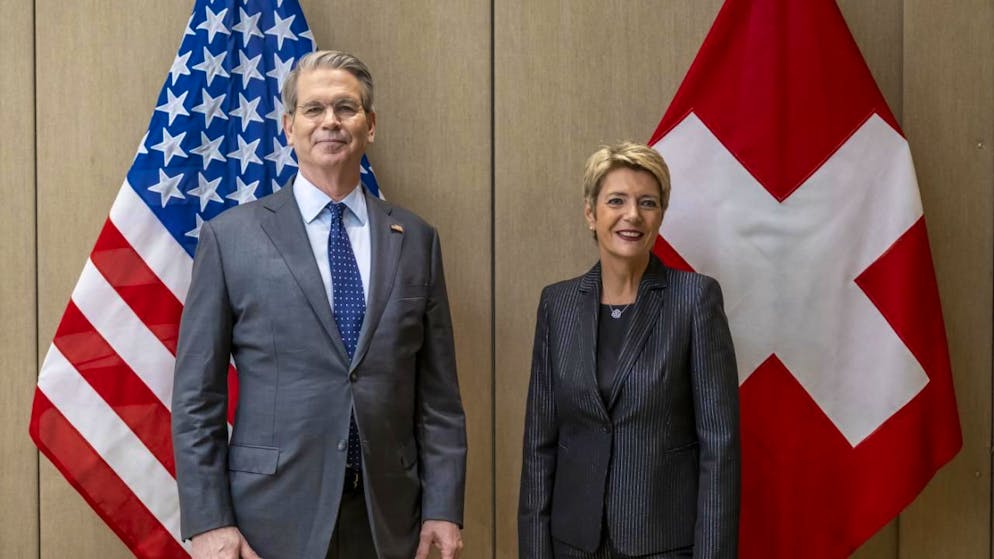
Merz emphasized that the "unity of the European Union and the hard work of the negotiators have paid off." The Chancellor thanked von der Leyen and Trade Commissioner Maros Sefcovic. "The European Commission has my full support in the upcoming negotiations on the details of the agreement." Further work is needed to strengthen trade relations with the USA.
Merz added that Europe had been able to safeguard its core interests, even if he would have liked to see further facilitation in transatlantic trade. "Everyone benefits from stable and predictable trade relations with market access for both sides - on both sides of the Atlantic, companies and consumers alike."
Deal with China still pending
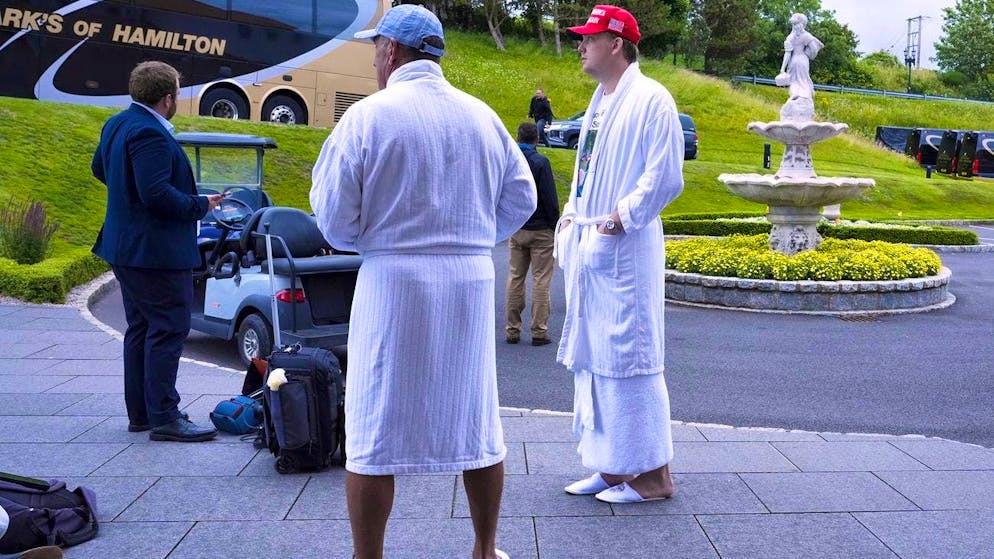
Meanwhile, negotiations in the tariff conflict between the USA and China continue today and tomorrow. US Treasury Secretary Scott Bessent and high-ranking Chinese representatives will meet in Stockholm. Among other things, they will negotiate an extension of the current tariff pause until August 12. The Chinese side will be led by Vice Premier He Lifeng.